Make a call
917838383985

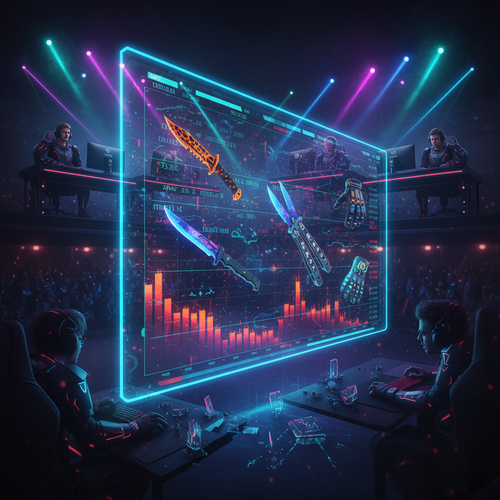
The virtual economy of Counter-Strike 2 experienced an unprecedented shock as its skin market—a digital bazaar rivaling small stock exchanges—plunged nearly 30% in value in a single day. The culprit? A surprise patch that dramatically altered the availability of ultra-rare knives and gloves through revamped Trade-Up Contracts, sending shockwaves through the community and causing widespread panic.
On October 23, 2025, CS2 fans woke up to a seismic shift in the skin trading landscape. Valve’s unexpected patch made it significantly easier to obtain some of the most coveted and traditionally elusive skins via Trade-Up Contracts, a system that allows players to exchange a set of lower-tier skins for a higher-tier item. This adjustment effectively flooded the market with ultra-rare knives and gloves, previously scarce and highly valued.
The result? A rapid devaluation of these prized collectibles. The market cap for CS2 skins dropped by nearly $2 billion, marking a 30% crash in value. Prices of legendary items plummeted as collectors and traders scrambled to adjust their holdings, triggering a domino effect of sell-offs and panic.
While many holders of ultra-rare skins faced significant losses, the crash opened unprecedented opportunities for savvy traders and new entrants. Some covert skins, once overlooked, skyrocketed in value due to their newfound accessibility and demand. A standout example is the MP9 Starlight Protector, which surged to an impressive $40 price point, becoming a hot commodity overnight.
This market shakeup highlights the volatile nature of virtual economies tied to esports titles. It underscores how game updates can ripple through the community, impacting not only gameplay but also the financial stakes of digital asset ownership.
The crash has ignited intense debate among players, traders, and analysts about the sustainability and regulation of CS2’s skin market. Will Valve introduce measures to stabilize prices, or is this just the beginning of a new era where skin trading mirrors real-world financial markets with all their risks and rewards?
For the community, this moment is a wake-up call to stay vigilant and informed. The evolving Trade-Up Contracts system now plays a pivotal role not just in gameplay aesthetics but in the economic strategies of countless players worldwide.
As the dust settles, one thing is clear: the CS2 skin market is a thrilling, unpredictable frontier that continues to captivate and challenge the esports world. What are your thoughts on the crash? Share your experiences and predictions in the comments below!