Make a call
917838383985

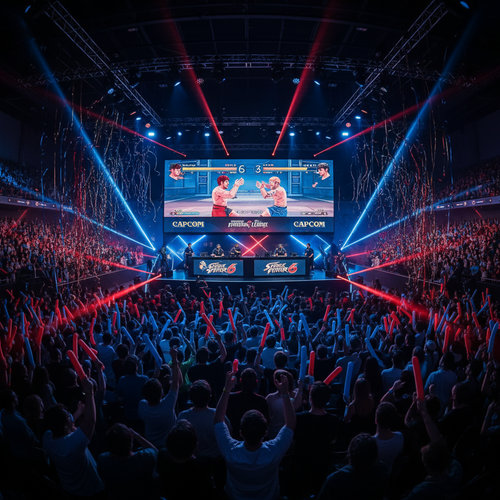
The Fighting Game Community (FGC) is buzzing with controversy as Capcom, the iconic publisher behind Street Fighter and other legendary titles, has officially responded to the intense backlash over its newly introduced pay-per-view (PPV) model for esports events. This bold move by Capcom has ignited passionate debate among fans and players alike, raising critical questions about accessibility, community values, and the future direction of competitive fighting games.
Recently, Capcom announced that major competitive events in its fighting game esports scene would adopt a pay-per-view format. While the company aims to create a sustainable revenue stream to support the growing esports ecosystem, this decision has left many fans feeling alienated. Traditionally, FGC events have been celebrated for their open, community-driven nature, often streamed freely to maximize audience reach and engagement.
Introducing a paywall to watch live tournaments has raised concerns about limiting access for casual viewers and grassroots fans who have been the backbone of the scene’s explosive growth. For many, this shift threatens the inclusive spirit that has defined the FGC for decades.
In an official statement, Capcom acknowledged the strong reactions and assured fans that the decision was made after careful consideration. The company emphasized its commitment to maintaining a vibrant competitive scene and promised to explore ways to balance revenue generation with community accessibility.
Capcom’s statement highlighted plans to offer exclusive content and enhanced viewing experiences for PPV buyers, while also exploring free-to-watch options for select events or matches. This approach aims to keep the core community engaged while providing the financial support necessary to elevate tournament production values and player support.
The reaction across social media, forums, and streaming platforms has been mixed but overwhelmingly passionate. Many longtime fans feel betrayed by the move, fearing it prioritizes profit over the community’s well-being. Comments like “Capcom is turning its back on fans” and “This could kill the grassroots scene” have flooded online discussions.
Conversely, some industry insiders and esports professionals argue that sustainable funding is essential for the FGC to thrive on a global stage. They point out that other esports giants have successfully implemented monetization strategies without sacrificing community engagement, suggesting Capcom’s model could evolve positively if handled transparently.
The introduction of a PPV model marks a pivotal moment for the FGC. It forces the community and Capcom to rethink how competitive fighting games are presented, funded, and consumed. Will the FGC maintain its grassroots charm while embracing a more commercial approach? Or will this shift drive fans away, fracturing the community?
Ultimately, the success of this model depends on Capcom’s ability to listen, adapt, and innovate. Providing value beyond just access—such as behind-the-scenes content, player interviews, and interactive features—could help justify the cost and deepen fan engagement.
As the debate rages on, one thing is clear: the future of fighting game esports is at a crossroads, and every fan’s voice matters. What do you think about Capcom’s pay-per-view model? Will it elevate the scene or put up walls? Join the conversation and share your thoughts!