Make a call
917838383985

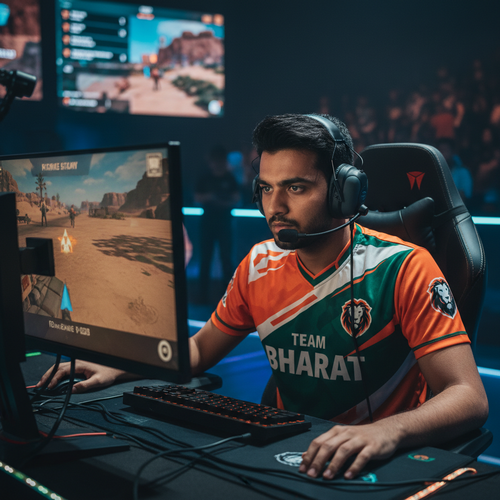
The Supreme Court hearing today on the esports exemption from gaming ban has the entire Indian gaming community on edge. With millions of players and fans awaiting a landmark decision, this could change the future of competitive gaming in India forever.
India has seen a surge in esports popularity, with games like BGMI, Valorant, and Free Fire capturing lakhs of players nationwide. However, recent gaming bans in several states have put a damper on this growth, creating uncertainty for players and organizers. The Supreme Court’s hearing on November 26 is focused on whether online esports tournaments can be exempted from these bans, distinguishing skill-based esports from gambling or betting games.
This distinction matters hugely. If esports are recognized as games of skill, it not only protects Indian players but also opens doors for investments, sponsorships, and international events hosted on home soil. The ruling is expected to clarify legal ambiguities and set a precedent for future regulations.
The bench will examine arguments from petitioners advocating for esports as a skill-based sport. Experts argue that esports involves intense strategy, quick reflexes, and teamwork, unlike games of chance. The hearing will also consider the economic impact, including job creation and the growing ecosystem around esports in India.
Several Indian teams and players have voiced their support, emphasizing how bans hurt their careers and fan engagement. With lakhs of Indian players actively competing in titles like BGMI and Valorant, this exemption could be a game-changer.
For Indian fans, this ruling could mean uninterrupted access to their favorite esports tournaments and a more vibrant competitive scene. It would encourage local organizers to host bigger events with prize pools that rival international standards. Moreover, brands and sponsors would likely increase investment, boosting the entire ecosystem.
Indian players would also gain more recognition globally, backed by legal protection and clearer guidelines. This could lead to more Indian teams making a mark in global esports circuits, fueling national pride and inspiring the next generation of gamers.
Social media is buzzing with excitement and hope. Popular esports influencers and analysts are sharing their takes, many highlighting how crucial this hearing is for the future of Indian esports. Tweets with hashtags like #EsportsExemption and #GamingBanHearing are trending, with fans expressing optimism.
Industry veterans have called the hearing a turning point, while some caution that the decision might take time. Regardless, the enthusiasm among diverse Indian players and fans is palpable, reflecting deep passion and commitment to the scene.
Post-hearing, the esports community expects clarity on legal frameworks and possible state-level policy shifts. If the exemption is granted, we could soon see a surge in organized online tournaments and more Indian teams entering international leagues. This could also prompt other countries in South Asia to reconsider their stance on esports regulation.
However, if the exemption is denied, the community may need to explore alternative routes to sustain growth, including lobbying for esports-specific legislation.
What are your thoughts on the Supreme Court’s potential impact on Indian esports? Share your views and join the discussion!